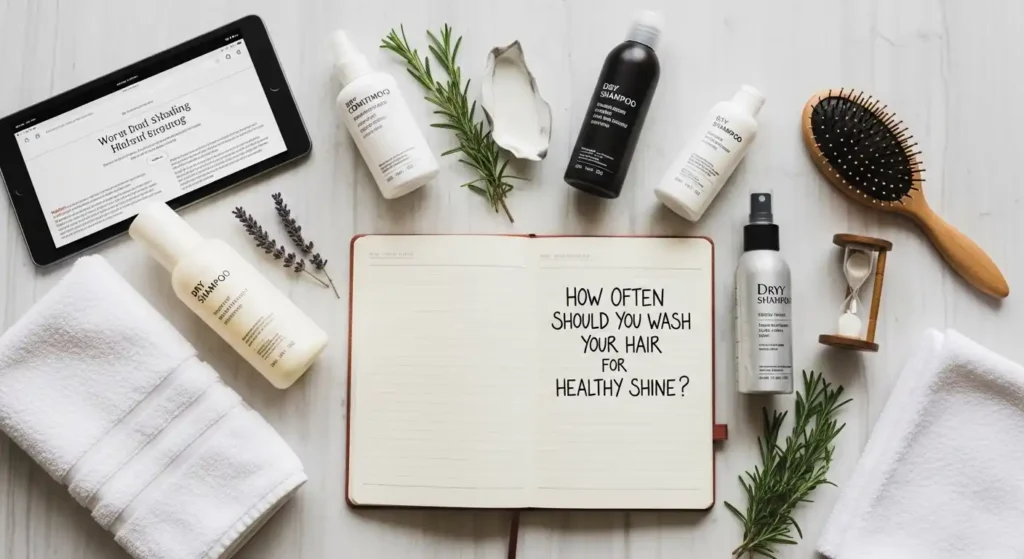

Healthy, shiny hair is not just about using expensive products. One of the biggest factors is how often you wash your hair. Many people wash their hair too frequently and end up with dryness and frizz. Others wash it too little and struggle with greasy roots and dull-looking hair.
Finding the right balance is the key. In this guide, you’ll learn how often you should wash your hair for healthy shine, how hair type and scalp condition affect washing frequency, and how to build a routine that keeps your hair clean, strong, and naturally shiny.
Why Hair Washing Frequency Matters
Your scalp naturally produces oil, known as sebum. This oil protects your hair, keeps it moisturized, and gives it a natural shine. When you wash your hair, some of this oil is removed along with dirt and sweat.
Washing your hair too often strips away these natural oils, making hair dry, weak, and frizzy. Washing too little allows oil and product buildup to collect on the scalp, which can make hair look greasy and lifeless. Healthy shine comes from maintaining a clean scalp without completely removing the oils your hair needs.
The Short Answer: How Often Should You Wash Your Hair?
For most people, washing hair two to four times per week works best. This frequency keeps the scalp clean while allowing natural oils to protect the hair.
However, this is only a general guideline. The ideal hair washing routine depends on your hair type, scalp condition, daily habits, and environment.
How Hair Type Affects Washing Frequency
People with oily hair tend to produce more scalp oil, especially at the roots. Because of this, they often need to wash their hair more frequently to keep it fresh and comfortable. Using a gentle shampoo daily or every other day is usually safe for oily scalps.
Dry hair behaves differently. It lacks moisture and natural oils, so frequent washing can make dryness worse. Washing once or twice a week is often enough to keep dry hair healthy and shiny, especially when moisturizing products are used.
Normal hair falls somewhere in between. It does not become oily too quickly and does not feel overly dry. Washing two or three times a week helps maintain softness, shine, and balance.
Curly and coily hair usually needs less frequent washing. The natural oils from the scalp take longer to travel down the hair shaft, which means curls stay dry more easily. Washing once a week or even less often helps protect moisture and reduce frizz.
Why Your Scalp Type Is Just as Important
Many people focus only on hair texture, but scalp type plays an equally important role. An oily scalp may require more frequent washing even if the hair itself feels dry. A dry or sensitive scalp often feels better with fewer washes and gentle products.
If your scalp feels itchy, uncomfortable, or develops flakes or odor, it may be a sign that your washing routine needs adjustment.
How Lifestyle Influences Hair Washing Needs

Your daily activities can change how often you should wash your hair. If you exercise regularly and sweat a lot, your scalp may need more frequent cleansing to stay healthy. In hot or humid climates, oil production increases, which may also require more frequent washing.
People who use styling products often may notice buildup over time. In this case, regular cleansing is important to prevent dullness and scalp issues. On the other hand, color-treated or chemically processed hair is more fragile and usually benefits from less frequent washing with gentle, color-safe shampoos.
Common Hair Washing Myths Explained
Many believe that washing hair every day is always harmful, but this is not true for everyone. For people with oily scalps, daily washing with a mild shampoo can actually improve scalp health.
Another common belief is that you can train your hair to become less oily by washing it less. In reality, oil production is mostly controlled by genetics and hormones, not washing habits.
Cold water can help smooth the hair cuticle and improve shine slightly, but it is not a replacement for a proper hair care routine.
How to Wash Your Hair Properly for Maximum Shine
Even the best washing schedule will not help if your technique is incorrect. Shampoo should be applied mainly to the scalp, not the lengths of the hair. Gentle massaging is enough to cleanse without irritation. Conditioner should be focused on the mid-lengths and ends, where hair needs moisture the most.
Using very hot water and rough towel drying can damage the hair cuticle and reduce shine. Gentle handling makes a noticeable difference over time.
Signs You Are Washing Too Much or Too Little
Hair that feels dry, brittle, and frizzy may be a sign of overwashing. A scalp that feels greasy, itchy, or uncomfortable may indicate that hair is not being washed often enough.
Your hair usually shows clear signs when something is off. Paying attention to these signals helps you adjust your routine before damage occurs.
Expert Tips for Maintaining Naturally Shiny Hair
Healthy shine also depends on overall care. Drinking enough water, eating a balanced diet, limiting heat styling, and trimming hair regularly all support stronger, shinier hair. Consistency matters more than complex routines.
Conclusion
There is no single rule for how often you should wash your hair. Healthy shine comes from understanding your hair type, scalp condition, and lifestyle. For most people, washing hair two to four times per week creates the best balance between cleanliness and moisture.
By using gentle products, washing with the right frequency, and paying attention to how your hair responds, you can maintain a healthy scalp and naturally shiny hair over the long term. A personalized routine will always deliver better results than strict rules.