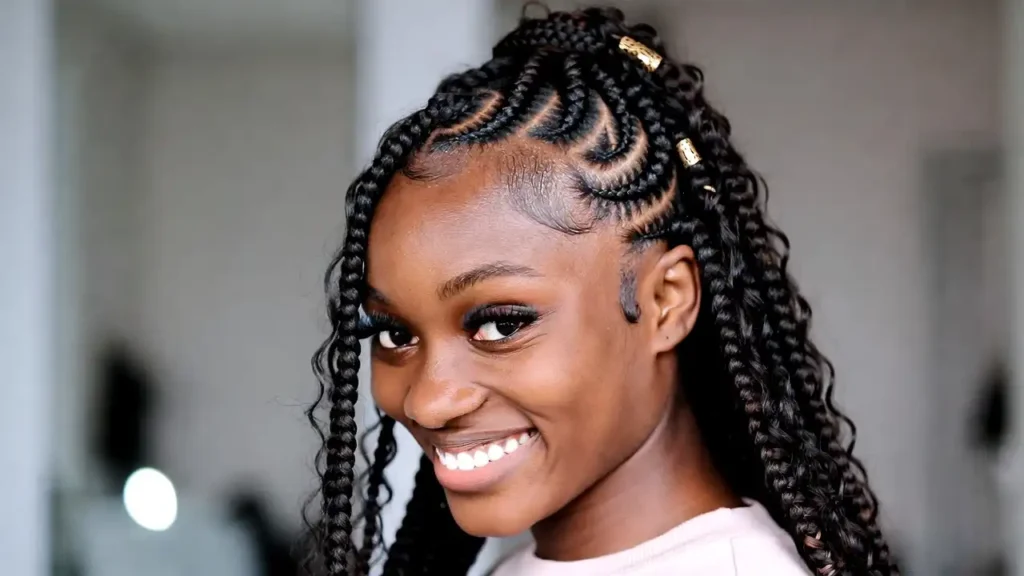

African hair braiding is an ancient art that has become one of the best ways to style and protect your hair. Whether you’re new to braids or love them already, learning expert tips can transform your hair journey.
This guide shares insider secrets from professional braiders. You’ll discover the hottest styles of 2026 and get simple tips to achieve salon quality results at home.
From picking the perfect pattern to keeping your braids fresh for weeks, we cover everything. Let’s dive into the expert knowledge that will take your braiding to the next level.
Understanding African Hair Braiding Basics
The Rich History
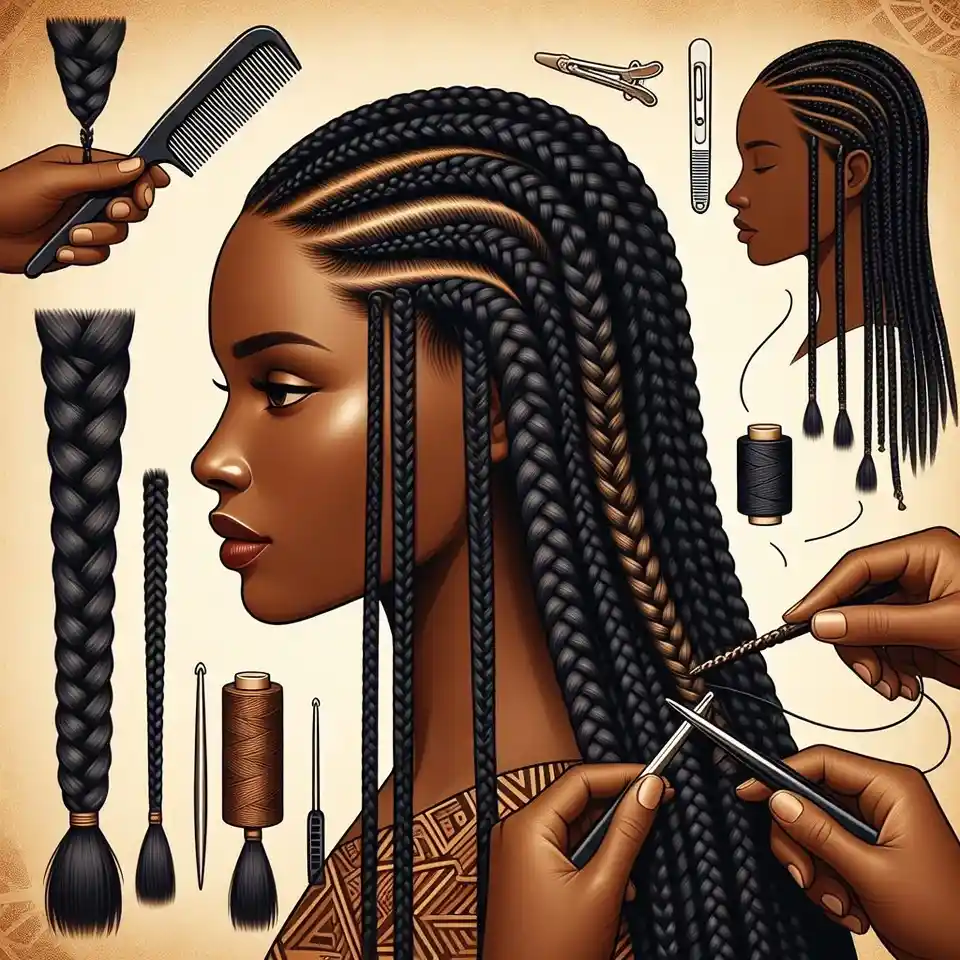
African hair braiding goes back over 5,000 years. Ancient Egyptians wore intricate braiding patterns. These patterns weren’t just pretty—they showed social status, age, and tribal identity.
Today, braiding remains a powerful way to express culture. It’s also one of the best protective styling methods available.
Why Everyone Loves African Hair Braiding
The African hair braiding market has grown by 42% since 2023. This shows how popular protective styling has become. People from all backgrounds and hair types now choose braids.
Professional stylist Keisha Thompson has 18 years of experience. She explains: “African hair braiding isn’t just trendy. It’s essential for healthy hair growth with stunning looks. These techniques have been perfected over thousands of years.”
Expert Tips for Perfect Braids
Tip 1: Prep Your Hair Right
Beautiful braids start before installation. Wash your hair with clarifying shampoo first. This removes all product buildup.
Then use a deep conditioner for 2030 minutes. This gives your hair intense moisture before braiding.
Master braider Amara Williams says: “I can always tell when someone skips prep. The braids look dull and don’t last as long. Those extra 30 minutes add 3 weeks to your style.”
Tip 2: Buy Quality Braiding Hair
Not all synthetic hair is the same. Quality braiding hair makes a huge difference in comfort and appearance.
Look for these signs of quality:
- Prestretched hair saves 40% of installation time
- Kanekalon and Xpression are top brands
- Hot water seal capability prevents fraying
- Flameretardant certification keeps you safe
Quality hair costs $815 per pack. Cheap hair costs $35 but causes frizz, shedding, and scalp irritation.
Tip 3: Get the Tension Right
Tension control is what separates amateurs from pros. Too tight causes hair loss and headaches. Too loose makes braids slip and unravel quickly.
The perfect tension feels secure without pain. You should raise your eyebrows comfortably after braiding. If you can’t, they’re too tight.
Try the “slide test.” Gently slide your finger under a braid at the root. You should fit your finger with slight resistance but no pain.
Tip 4: Make Clean Sections
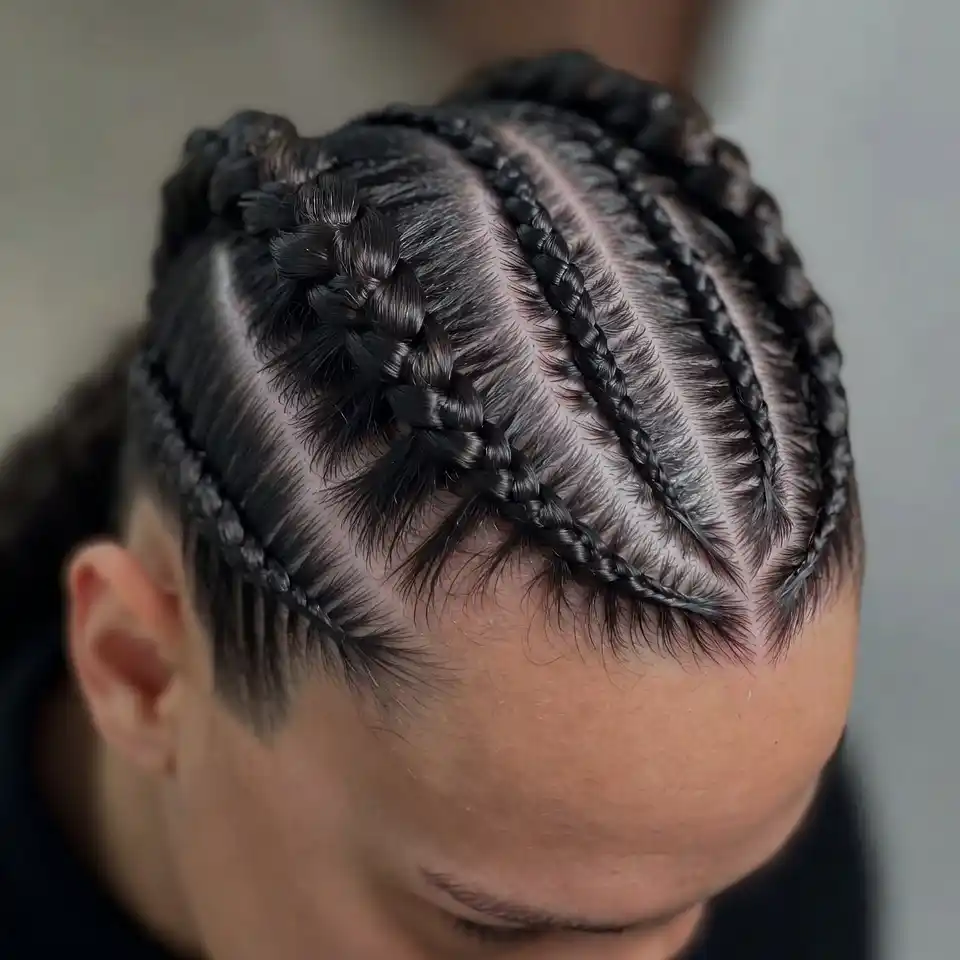
Clean, uniform sections create that polished professional look. Use a rattail comb to make precise parts.
Keep your sections the same size. Mixing different sizes looks messy unless that’s your style goal.
For box braids, use quarterinch to halfinch sections for medium density. Larger sections install faster but don’t last as long. Smaller sections take much longer but can last up to 10 weeks.
Tip 5: Protect Your Edges
Your hairline is the most delicate area. It needs the most protection.
Professional braiders leave out baby hairs or braid them very loosely. Never pull edges tight. This area should feel the most relaxed.
Studies show that 60% of hair loss from braiding starts at the front hairline. Protecting this area keeps your natural hairline healthy for years.
Tip 6: Seal Ends Properly
Loose, fraying ends ruin otherwise perfect braids. The hot water method works best for sealing synthetic hair.
Boil water and let it cool for 23 minutes. Test the temperature on your wrist first. Then quickly dip braid ends for 35 seconds. Pat dry right away.
You can also use a lighter to carefully burn ends. Or try braid sealer products. But hot water gives the most natural look.
Tip 7: Start Maintenance Immediately
Many people think braids need no care. This is wrong. Without maintenance, braids fall apart quickly.
Start these habits on day one:
- Oil your scalp every 23 days between braids
- Spray braids weekly with water and leave in conditioner
- Sleep with a silk or satin bonnet every night
- Wash every 710 days with diluted shampoo
The silk bonnet alone extends braid life by 30%.
Trending Styles for 2026
Knotless Box Braids: Super Comfortable
Knotless braids are the most popular style right now. Unlike regular box braids, these start without a knot. The stylist gradually adds extension hair as they braid.
This creates zero tension at your roots. No tension means no pain and no bumps.
Installation takes 69 hours for medium length. They cost $250- $450 depending on length. They last 68 weeks.
Popular variations include:
- Ombre knotless (dark roots to light ends)
- Trianglepart knotless (geometric patterns)
- Bohemian knotless (with curly hair mixed in)
Tribal Braids: Cultural and Modern
Tribal braids mix traditional African patterns with modern style. These feature thin-to-medium braids close to the scalp. Then they transition to hanging braids.
Geometric parts and zigzag patterns add contemporary flair. Celebrities like Alicia Keys and Brandy love this style.
Tribal braids work great for professional settings. They’re artistic but polished.
Stitch Braids: Clean and Defined
Stitch braids create a “stitched” look along each cornrow. Braiders use a precise horizontal feeding technique. This makes clearly defined, uniform braids.
The style went viral on social media. The hashtag #StitchBraids has over 800 million views.
Stitch braids need advanced skills but look amazing. They last 35 weeks with perfect definition. They look beautiful with beads or colored extensions.
Passion Twists: Soft and Beautiful
Passion twists offer a softer option than traditional braids. Stylists use water waves or passion twist hair. This creates bohemian, textured twists with great movement.
The style first appeared in 2018. New techniques now make them lighter and longer-lasting.
Passion twists suit anyone wanting protective styling without stiff structure. They photograph beautifully for any occasion.
Lemonade Braids: Side Swept Style
Beyoncé made these famous in her “Lemonade” album. These side swept cornrows create dramatic elegance.
The braids go diagonally from one side to the other. Different sizes add dimension.
You can wear them down, in a side ponytail, or in an updo. They last 24 weeks and cost $150- $280.
Butterfly Locs: Textured and Trendy
Butterfly locs became popular in 2020. They’re still going strong. These distressed locs have loose, loopy textures.
Stylists wrap hair around the base and leave sections unraveled on purpose. The result looks like livedin, bohemian locs.
Installation takes 46 hours. They last 68 weeks and cost $180- $350. The texture hides new growth better than sleek styles.
Advanced Techniques
The FeedIn Method
Feeding braiding adds extension hair gradually as you braid. This creates natural-looking braids without bulky roots.
Start with a small amount of natural hair. Add tiny pieces of extension with each stitch. The key is consistency—add similar amounts each time.
This technique takes practice but gives professional results.
Invisible Root Technique
Invisible roots make braids look like they grow from your scalp. No visible extensions show.
This advanced method braids a small natural section first. Then you add extensions and hide the transition point.
It adds 12 hours to installation but looks incredibly realistic.
Scalp Treatment During Installation
Many professional braiders now treat your scalp while braiding. They apply lightweight oils with tea tree, peppermint, or lavender to each part.
This promotes circulation, prevents dryness, and reduces itching.
Clients report 50% less itching when braiders use this technique.
Maintenance Secrets from Pros
The Two Week Refresh
In two weeks, give your braids a refresh. Focus on these areas:
Smooth frizz with mousse or edge control. Tie down with a silk scarf for 20 minutes. Rebraid any loose sections near your hairline. Clean your scalp with witch hazel on a cotton pad. Wipe between parts. Reapply oil to dry areas.
This 30minute session adds 23 weeks to your braids.
Nighttime Protection
How you treat braids at night determines 60% of how long they last.
Never sleep on cotton pillowcases. The friction causes frizz and matting. Use silk or satin bonnets, scarves, or pillowcases instead.
For long braids, gather them loosely on top of your head before covering. This prevents tension on your neck and edges.
Never use tight hair ties. Use silk scrunchies or loose pins.
Smart Washing
Many people fear washing braided hair. But it’s essential for scalp health. The trick is focusing on your scalp while barely touching the braids.
Mix sulfate free shampoo with water in a spray bottle. Use 1 part shampoo to 3 parts water. Part braids into four sections. Spray directly onto your scalp. Massage gently with your fingertips in circles. Rinse by running water along each part line. Apply diluted leave in conditioner to braid lengths only. Never put conditioner on roots. Squeeze out water with a microfiber towel. The air is completely dry.
This takes 2030 minutes. Do it every 710 days.
Common Mistakes to Avoid
Mistake 1: Braiding Unhealthy Hair
Many people rush into braiding damaged hair. Braiding brittle hair speeds up breakage.
If your hair is severely damaged, do 46 weeks of conditioning treatments first. Then braid.
Mistake 2: Keeping Braids Too Long
People want to maximize their money. So they keep braids longer than recommended. But braids left in beyond 810 weeks cause serious matting.
Set calendar reminders for removal dates. Stick to them no matter how good your braids look.
Mistake 3: Rough Removal
Rushed removal damages hair more than anything else. Budget 24 hours for careful removal.
Soak braids in warm water with conditioner for 10 minutes. Cut extensions above where your natural hair ends. Unravel gently. Apply detangling spray liberally. Fingerdetangle before using a comb.
The Investment: Costs and Value
Understanding braiding costs helps you plan. Prices depend on style complexity, hair length, location, and stylist experience.
Box braids average $150- $300. Installation takes 46 hours. They last 68 weeks. That’s $58 per day.
Knotless braids cost $250- $450. Installation takes 69 hours. They last 68 weeks. That’s $710 per day.
Cornrows cost $80- $200. Installation takes 24 hours. They last 24 weeks. That’s $47 per day.
Senegalese twists run $180- $350. Installation takes 58 hours. They last 68 weeks. That’s $59 per day.
Compare this to daily styling time and heat damage costs. Braids offer excellent value. Most people save 1520 hours monthly on styling. They also save $4060 on products.
Health Benefits of Expert Braiding
Helps Hair Grow
Properly done braids let hair rest from daily styling, heat, and chemicals.
Research shows protective styling increases hair retention by 3540% compared to daily heat styling.
Many people gain 13 inches during 612 months of consistent braiding. Results vary based on genetics and care.
Reduces Breakage
Braids eliminate friction from clothing, pillowcases, and weather. This protection significantly reduces breakage, especially at the ends.
FAQs About African Braids
How long do African braids last
Most styles last 6–8 weeks. Cornrows last 2–4 weeks.
Can I wash my braids
Yes. Wash every 1–2 weeks using diluted shampoo and focus on the scalp.
Do braids damage hair
No, if done properly. Tight or over worn braids can cause damage.
Conclusion
African hair braiding offers amazing versatility, protection, and style. Use these expert tips to achieve professional results. Promote healthy hair growth while looking absolutely stunning.
From classic box braids to trending knotless styles, there’s a perfect option for you.