
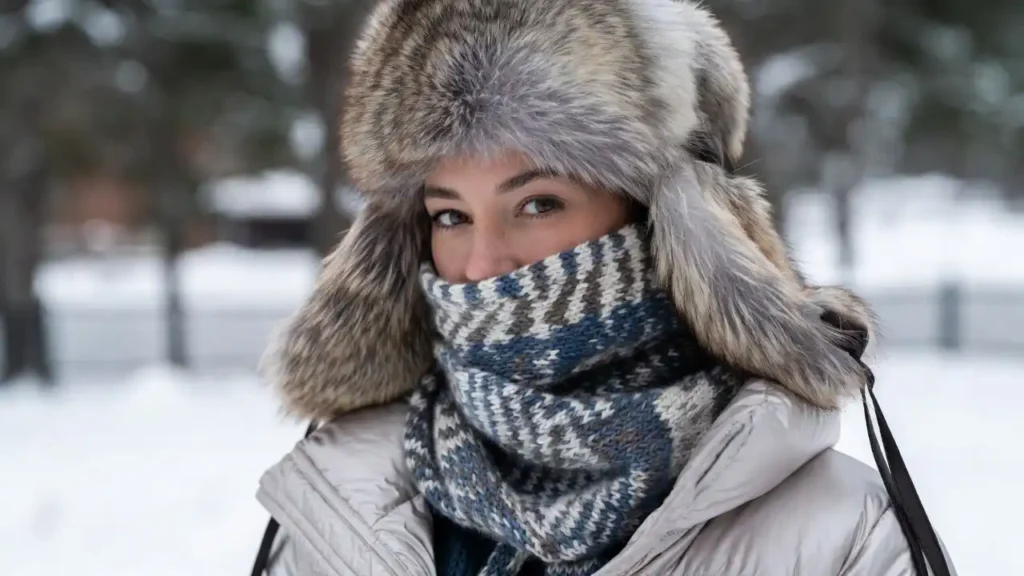

Winter doesn’t mean sacrificing style for warmth. Gone are the days when staying cozy meant drowning in oversized shapeless sweaters and bulky coats that hide your personality. Modern winter fashion has evolved to offer countless options that keep you both warm and stylish.
According to fashion industry research 73% of women report struggling to balance warmth and style during winter months. The good news: With the right knowledge about fabrics layering techniques and strategic outfit choices you can create a winter wardrobe thats both functional and fashionable.
This comprehensive guide will walk you through everything you need to know about creating cute winter outfits that actually keep you cozy. Whether you’re braving sub-zero temperatures or dealing with mild winter chills you’ll discover actionable strategies to elevate your cold weather style game.
Understanding Winter Fashion Fundamentals
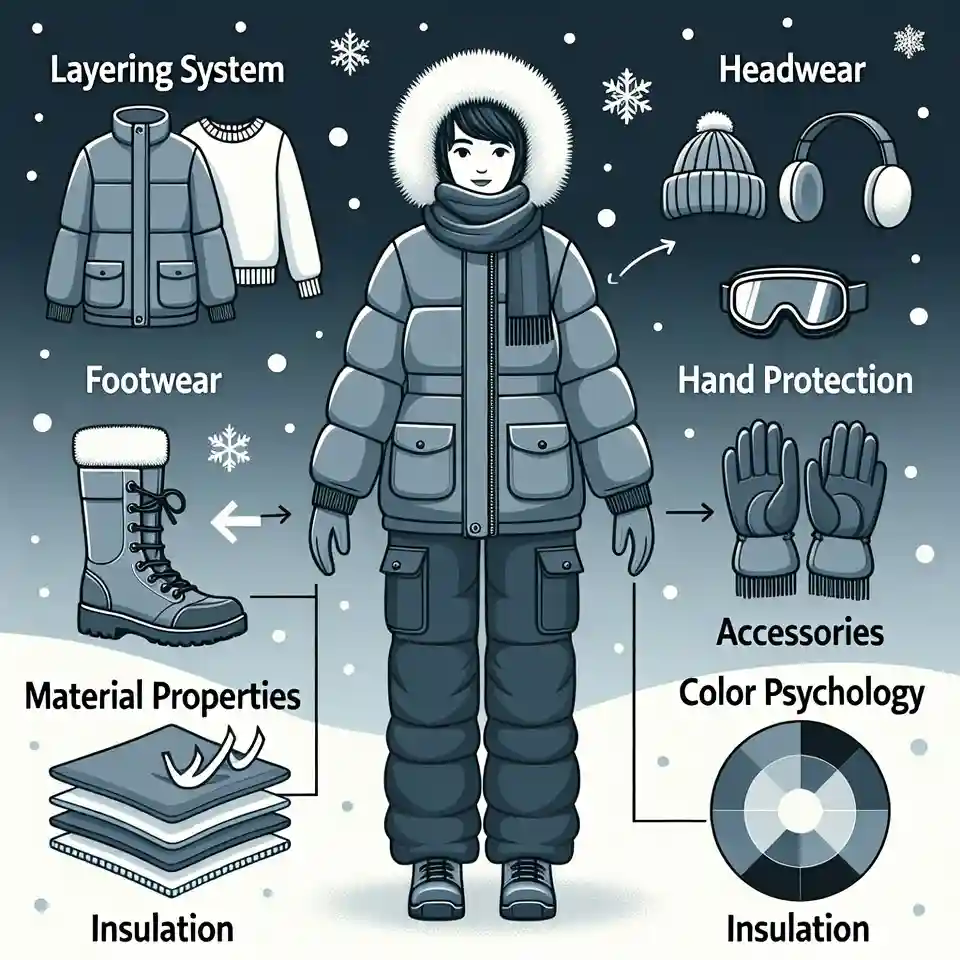
Why Traditional Winter Wear Fails the Style Test
Traditional winter clothing often prioritizes function over form leading to bulky silhouettes that hide your body shape and personal style. The challenge isn’t choosing between warmth and fashion—its understanding how to achieve both simultaneously.
The key lies in three fundamental principles:
- Strategic layering that adds warmth without bulk
- Quality fabric selection that insulates effectively
- Proportional balance that maintains a flattering silhouette
The Psychology of Winter Dressing
Studies show that what we wear significantly impacts our mood and confidence. During darker colder months maintaining a sense of style becomes even more crucial for mental well-being. When you feel good about your appearance you’re more likely to stay active and social during winter rather than hibernating indoors.
The Science of Staying Warm While Looking Stylish
How Body Heat Actually Works
Understanding thermoregulation helps you make smarter fashion choices. Your body loses heat through five primary mechanisms: radiation conduction convection evaporation and respiration. Effective winter clothing addresses these heat loss pathways without adding unnecessary bulk.
Research from textile scientists indicates that proper layering can be up to 40% more effective than a single thick layer of similar total thickness. This is because trapped air between layers acts as additional insulation.
The Three-Layer System Explained
Fashion experts and outdoor enthusiasts swear by the three-layer system:
Base Layer: Moisture-wicking fabrics that sit against your skin and regulate temperature. Materials like merino wool or synthetic blends work best.
Mid Layer: Insulating pieces that trap warm air. Think sweaters cardigans or fleece items that add warmth without excessive weight.
Outer Layer: Weather-resistant shell that protects against wind rain and snow while allowing moisture to escape.
This system allows you to adjust your warmth level by adding or removing layers while maintaining a cohesive stylish appearance.
Essential Winter Wardrobe Pieces
Investment Pieces Worth Every Penny
Building a versatile winter wardrobe starts with quality essentials. These foundational pieces form the backbone of countless outfit combinations:
Quality Wool Coat: A well-fitted wool coat in a neutral color (camel black or navy) provides warmth and instant polish. Look for coats with at least 60% wool content for optimal warmth.
Cashmere or Wool Sweaters: These natural fibers offer unmatched warmth-to-weight ratios. A collection of 3-4 sweaters in complementary colors creates endless possibilities.
Thermal Base Layers: Modern thermal wear has come a long way from bulky long underwear. Sleek form-fitting base layers from brands specializing in performance wear provide invisible warmth.
Versatile Winter Boots: Knee-high or ankle boots with proper insulation and traction keep feet warm while complementing various outfit styles.
Statement Outerwear: A puffer jacket teddy coat or faux fur piece adds personality while delivering serious warmth.
Budget-Conscious Alternatives
Not everyone can invest in high-end winter wear immediately. Strategic shopping at retailers offering quality basics watching for end-of-season sales and investing in one or two key pieces per season builds a strong winter wardrobe over time.
10 Cute Winter Outfit Ideas That Keep You Warm
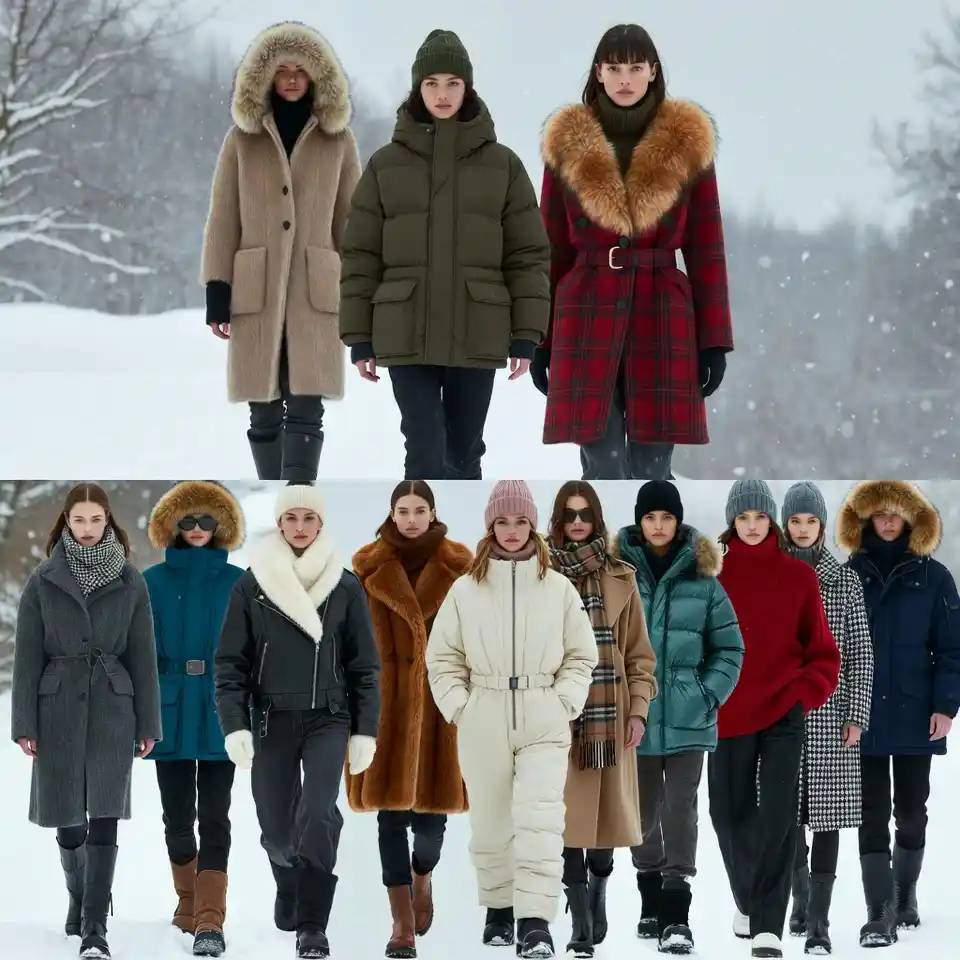
Outfit 1: The Cozy Coffee Date Look
Temperature Range: 25-40°F
Layer a chunky knit turtleneck sweater over thermal leggings paired with knee-high boots and a midi skirt. Add a longline wool coat and you have an outfit thats café-ready and genuinely warm. The turtleneck provides extra neck protection while the layered bottom half ensures your legs stay cozy.
Why It Works: Multiple thin layers under the skirt trap more heat than jeans alone while the proportions remain flattering and feminine.
Outfit 2: The Elevated Athleisure
Temperature Range: 30-45°F
Combine a quilted puffer vest over a fitted turtleneck high-waisted leggings and stylish sneakers or winter-ready slip-ons. Top with a long wool coat when heading outdoors. This look balances sporty comfort with city-chic sophistication.
Pro Tip: Choose a puffer vest in a bold color or metallic finish to elevate the athletic elements into fashion-forward territory.
Outfit 3: The Sweater Dress Dream
Temperature Range: 20-35°F
A knit sweater dress over thermal tights creates an effortlessly chic silhouette. Add over-the-knee boots for extra warmth and drama. Layer a long wool coat or blanket scarf for outdoor adventures. Belt the dress at the waist for added definition.
Styling Secret: The monochromatic approach (dress tights and boots in similar tones) elongates your silhouette while maximum coverage keeps you warm.
Outfit 4: The Modern Western
Temperature Range: 25-40°F
Pair a shearling or sherpa-lined denim jacket with a chunky knit sweater black jeans and ankle boots. Add a wool scarf for neck warmth. This outfit channels cowboy-cool vibes while the layering and lining provide substantial warmth.
Accessory Boost: A wide-brim wool hat completes the Western aesthetic while adding head protection from cold winds.
Outfit 5: The Monochrome Moment
Temperature Range: 15-30°F
Create a sleek all-black (or all-cream) ensemble with thermal base layers a turtleneck wool trousers and a long puffer coat. The streamlined color palette looks intentionally chic while the layers provide serious insulation.
Fashion Insight: Monochrome dressing is slimming and sophisticated proving that winter warmth doesn’t require pattern mixing or visual bulk.
Outfit 6: The Preppy Professional
Temperature Range: 30-45°F
Layer a wool blazer over a fine-gauge turtleneck sweater with tailored wool trousers and loafers or ankle boots. Add a structured wool coat for commuting. This outfit transitions seamlessly from office to after-work events.
Career Advantage: Looking polished during winter months demonstrates attention to detail and professionalism.
Outfit 7: The Weekend Wanderer
Temperature Range: 20-35°F
Combine an oversized cardigan over a thermal top high-waisted jeans combat boots and a beanie. Layer a puffer jacket when venturing outside. This relaxed ensemble prioritizes comfort without sacrificing style.
Comfort Factor: The oversized cardigan allows for unrestricted movement while providing a cozy lived-in aesthetic.
Outfit 8: The Faux Fur Fantasy
Temperature Range: 25-40°F
A faux fur coat transforms any simple base outfit into a statement look. Wear it over a black turtleneck and leather leggings with heeled boots for an evening-appropriate ensemble that keeps you warm.
Ethical Glamour: Modern faux fur rivals real fur in warmth and appearance while being more affordable and cruelty-free.
Outfit 9: The Layered Luxe
Temperature Range: 15-30°F
Start with a silk or thermal camisole add a fine-knit sweater then a cashmere cardigan topped with a wool coat. Pair with jeans and boots. This multi-layer approach provides adjustable warmth for varying indoor and outdoor temperatures.
Temperature Flexibility: Easily remove layers as you move between heated indoor spaces and cold outdoor environments.
Outfit 10: The Color Pop Winter
Temperature Range: 20-35°F
Break winter monotony with a brightly colored wool coat (red cobalt blue or emerald green) over neutral base layers. The unexpected color injection lifts spirits while the wool provides warmth.
Psychological Benefit: Wearing bright colors during gray winter months has been shown to improve mood and energy levels.
Layering Techniques for Maximum Warmth and Style
The Art of Proportional Layering
Successful layering isn’t about piling on clothes randomly. It requires understanding proportion and fit:
Fitted Base + Relaxed Mid + Structured Outer: This combination prevents looking bulky. A slim-fitting thermal top relaxed sweater and tailored coat create visual balance.
Varying Lengths: Play with hemline lengths to add interest. A longer cardigan over a shorter top or a mid-length coat over a long sweater creates dynamic visual lines.
Textural Contrast: Mix textures for depth. Combine smooth silk or cotton base layers with chunky knits and smooth wool outerwear.
Strategic Layering for Different Body Types
Petite Frames: Avoid overwhelming your frame with too many bulky layers. Stick to fitted base layers and one statement piece (coat or sweater) to maintain proportion.
Curvy Figures: Define your waist with belted coats or cardigans. Structured pieces prevent shapelessness while providing warmth.
Tall Builds: Embrace longer layers and oversized pieces. You can carry volume without looking overwhelmed.
Athletic Shapes: Create curves with textured knits belted outerwear and strategic volume in the mid-layer.
Fabric Guide: What Really Keeps You Cozy
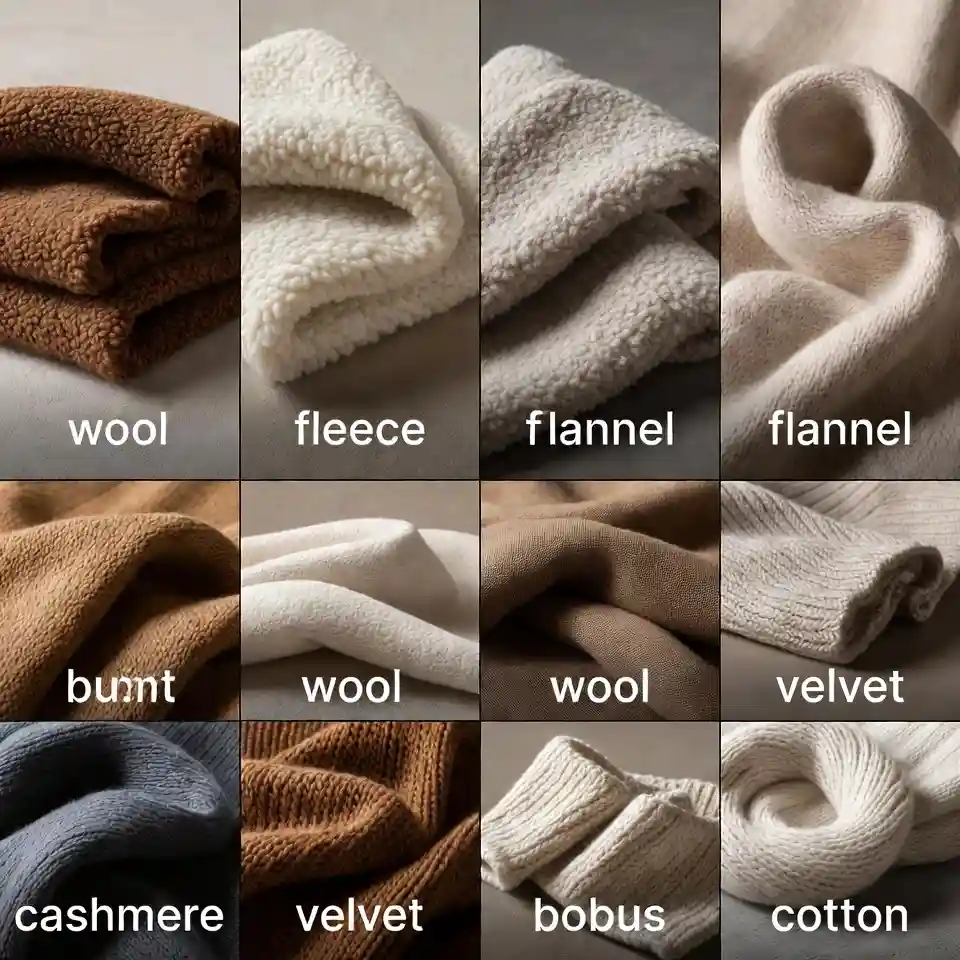
Natural Fibers That Outperform Synthetics
Merino Wool: Naturally moisture-wicking odor-resistant and incredibly warm for its weight. Merino wool base layers can be worn multiple days without washing making them ideal for travel.
Cashmere: Lightweight yet remarkably insulating cashmere provides luxury warmth. While expensive quality cashmere lasts for years with proper care.
Alpaca: Warmer than wool and hypoallergenic alpaca fiber does not contain lanolin making it suitable for sensitive skin.
Down: The warmth-to-weight champion down insulation provides maximum coziness with minimal bulk. Look for ethical sourcing certifications.
Synthetic Fabrics Worth Considering
Fleece: Affordable quick-drying and warm even when wet fleece makes excellent mid-layers for active winter days.
Thinsulate: This synthetic insulation rivals down in warmth but maintains performance in wet conditions.
Performance Fabrics: Modern technical fabrics from athletic brands often incorporate four-way stretch moisture-wicking and insulation in sleek designs.
Fabrics to Avoid in Winter
100% Cotton: Absorbs moisture and dries slowly making you colder when you sweat. Save pure cotton for spring.
Thin Polyester: Cheap polyester traps moisture against skin and does not insulate effectively.
Non-Insulated Leather: While stylish thin leather provides little warmth without proper lining.
Accessories That Complete Your Winter Look
The Warming Power of Smart Accessories
Accessories serve double duty in winter: they add style while protecting extremities where heat loss occurs most rapidly.
Scarves and Wraps: A large blanket scarf or infinity scarf adds warmth and can be styled multiple ways. Cashmere or wool scarves provide the best insulation.
Hats and Beanies: Up to 30% of body heat escapes through your head. A stylish beanie beret or wide-brim felt hat keeps you warm while adding personality.
Gloves: Leather gloves lined with cashmere or shearling balance style and function. Touchscreen-compatible options let you use your phone without exposing hands to cold.
Socks: Thermal or wool-blend socks are non-negotiable for winter. Fun patterns add personality to an outfit element usually hidden.
Tights and Leggings: Fleece-lined tights or thermal leggings under skirts and dresses provide invisible warmth.
Accessorizing Without Overwhelming
The key to accessory success is choosing 2-3 statement pieces rather than adding everything at once. A bold scarf might be your focal point complemented by simple gloves and a classic beanie.
Winter Fashion Mistakes to Avoid
Common Cold Weather Style Errors
Mistake 1: Sacrificing Fit for Warmth Buying coats several sizes too large in hopes of extra warmth creates unflattering silhouettes. Instead choose your true size and layer strategically underneath.
Mistake 2: Neglecting Base Layers Jumping straight to heavy sweaters without proper base layers means you’ll either be too cold or too hot. Proper base layers allow you to stay comfortable across temperature changes.
Mistake 3: Ignoring Weather-Appropriate Footwear Cute shoes matter little if your feet are freezing or you’re slipping on ice. Invest in stylish boots with proper insulation and traction.
Mistake 4: Over-Relying on Black While black is slimming and versatile an all-black winter wardrobe can feel depressing. Incorporate rich jewel tones warm neutrals and patterns to maintain visual interest.
Mistake 5: Forgetting About Indoor Temperatures Dressing only for outdoor cold means overheating in heated indoor spaces. Layer with removable pieces to adjust throughout the day.
Budget-Friendly Winter Style Tips
Looking Expensive Without Breaking the Bank
Invest in Outerwear Save on Base Layers Your coat is what people see most. Spend more here while affordable retailers offer quality base layers and basics.
Thrift and Consignment Shopping Winter coats wool sweaters and leather boots from thrift stores often come from quality brands at a fraction of retail prices.
Off-Season Shopping Strategy Purchase winter wear during spring clearance sales. Department stores typically discount winter inventory 50-70% in February and March.
Capsule Wardrobe Approach Build around 10-15 versatile pieces that mix and match endlessly. This focused approach prevents impulse purchases and creates more outfit combinations.
Rental Services for Special Occasions Rent high-end winter coats or statement pieces for special events rather than buying items you’ll rarely wear.
DIY Customization Add faux fur collars change buttons or belt oversized pieces to refresh existing items without buying new.
Frequently Asked Questions
How can I stay warm without looking bulky
Use a fitted base layer a warm mid-layer and a well-fitted outer layer. Choose lightweight fabrics like merino wool or down.
Whats the warmest winter fabric
Natural: alpaca cashmere merino wool.
Insulation: goose down.
Synthetic: modern performance fabrics.
Can I wear skirts or dresses in winter
Yes. Wear thermal tights knee-length styles and tall boots for warmth.
How do I transition outfits from day to night
Switch shoes add statement accessories and upgrade outerwear—keep the base outfit the same.
Conclusion
Creating cute winter outfits that actually keep you cozy isn’t about choosing between fashion and function—its about understanding how to achieve both through smart fabric choices strategic layering and thoughtful styling.
The key takeaways for winter style success include:
- Embrace the three-layer system for adjustable effective warmth
- Invest in quality fabrics like wool cashmere and down that insulate without bulk
- Focus on proper fit rather than oversized pieces
- Incorporate texture and color to keep your winter wardrobe visually interesting
- Accessorize strategically to protect extremities while enhancing your look
- Build a versatile capsule wardrobe that mixes and matches effortlessly
Remember the best winter outfit is one that makes you feel confident and comfortable. When you’re warm enough to enjoy winter activities and stylish enough to feel like yourself you’ve achieved the perfect balance.
Winter fashion should be empowering not limiting. With these strategies in your style arsenal you’re equipped to create endless combinations of cute winter outfits that keep you genuinely cozy through out the coldest months.