
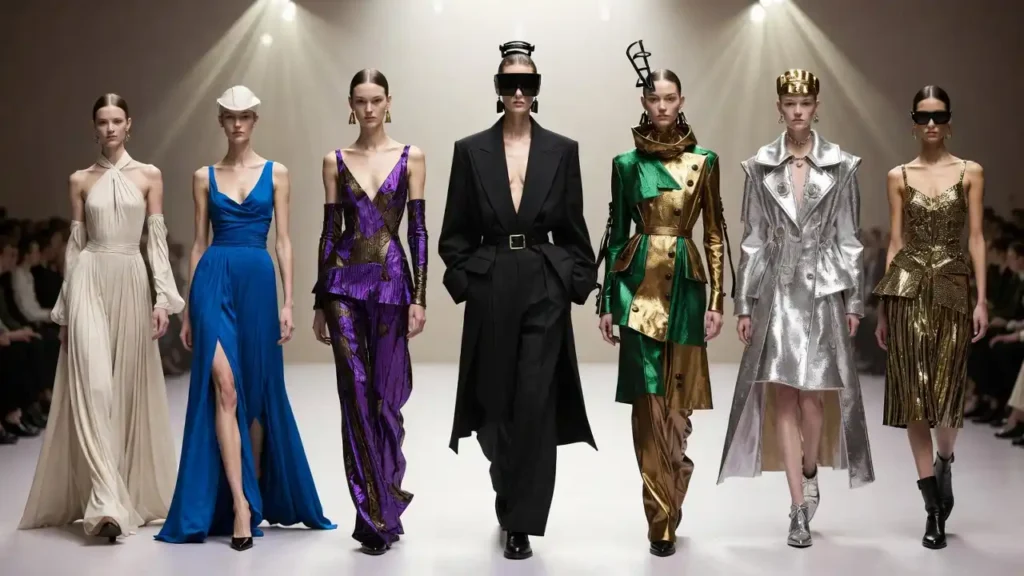

Inclusive fashion design is more than a label or a passing trend. It represents a growing movement toward fashion that is inclusive adaptive and designed with real people in mind. At its core DIS Fashion focuses on accessibility comfort dignity and self-expression for individuals of all abilities. Rather than forcing bodies to fit clothinginclusive fashion explained
reshapes clothing to fit bodies.
In today’s fashion landscape where individuality and inclusivity matter more than ever DIS Fashion is redefining what “stylish” truly means. It proves that fashion can be functional without sacrificing aesthetics and expressive without excluding anyone.
Why Inclusive and Adaptive Fashion Goes Beyond Clothing
Fashion has always been a form of communication. What we wear reflects who we are how we feel and how we want to be seen. For many people traditional fashion systems have created barriers rather than opportunities. Limited mobility sensory sensitivity body diversity and medical needs have often been overlooked by mainstream brands.
Inclusive and adaptive fashion changes that narrative. It recognizes that clothing should empower people rather than restrict them. DIS Fashion addresses everyday challenges such as difficult fastenings uncomfortable seams restrictive fits and fabrics that irritate sensitive skin. By doing so it restores confidence and independence to those who have long been underserved by the industry.
This shift isn’t about creating “special” clothing. It’s about designing better clothing for everyone.
The Core Principles Behind Modern DIS Fashion Design
DIS Fashion is built on thoughtful design principles that prioritize both usability and style. These principles guide designers in creating clothing that works in real life not just on runways or product photos.
Functional Flexibility: Designing for Real-Life Needs
One of the defining characteristics of adaptive clothing
is flexibility. Clothing must adapt to the wearer not the other way around. This includes features such as easy closures adjustable waistbands magnetic buttons wrap designs and stretchable fabrics. These details make dressing easier for people with limited dexterity mobility challenges or chronic pain.
Functional flexibility also benefits people without disabilities. Anyone who values comfort ease and efficiency gains from thoughtful design choices.
Inclusive Design Thinking: Style Without Barriers
Inclusive design means creating fashion that works for as many people as possible from the very beginning. DIS Fashion designers consider a wide range of body types abilities and lifestyles during the design process. This approach removes the need for separate “adaptive” categories and instead integrates accessibility directly into mainstream fashion.
When inclusivity becomes the standard fashion becomes more democratic. Clothing no longer excludes—it welcomes.
Comfort-First Fashion: Sensory-Aware Clothing Choices
For many individuals sensory discomfort can make traditional clothing unbearable. Rough seams tight collars stiff fabrics and heavy tags can cause irritation or distress. DIS Fashion addresses these issues through soft materials flat seams tag-free labels and breathable fabrics.
Comfort-first design does not mean compromising style. In fact many sensory-friendly garments are minimal modern and elegant appealing to a wide audience.
Fashion for Every Body Shape and Ability
DIS Fashion embraces body diversity in its truest form. It acknowledges that bodies come in different shapes sizes and proportions and that these differences should be celebrated rather than hidden.
This principle challenges outdated beauty standards and encourages representation across age ability and body type. When people see themselves reflected in fashion it builds confidence and belonging.
Smart Fashion: Where Technology Meets Accessibility
Technology is playing an increasingly important role in assistive clothing technology. Innovations such as smart textiles temperature-regulating fabrics wearable health tech and adaptive fastenings are transforming how clothing functions.
These advancements not only improve comfort and usability but also open doors to greater independence. Technology-driven design ensures that DIS Fashion continues to evolve alongside modern lifestyles.
How to Build a Practical and Stylish DIS Fashion Wardrobe
Creating a DIS Fashion wardrobe doesn’t require replacing everything you own. It starts with intention awareness and thoughtful choices.
Review Your Current Wardrobe with Purpose
The first step is understanding what already works and what doesn’t. Many people already own pieces that align with fashion accessibility principles without realizing it. Comfortable fits soft fabrics and versatile designs are a good foundation.
By identifying which items cause discomfort or limit movement you can make more informed decisions moving forward.
Understand Your Personal Comfort and Style Needs
DIS Fashion is deeply personal. Comfort needs vary from person to person as do style preferences. Some individuals prioritize ease of movement while others focus on sensory comfort or temperature control.
Knowing your own needs allows you to choose clothing that supports your lifestyle rather than complicating it.
Shop Intentionally for Accessible Fashion Pieces
Intentional shopping means looking beyond trends and focusing on function fit and fabric. DIS Fashion brands often provide detailed product descriptions that highlight adaptive features making it easier to choose wisely.
This approach reduces impulse purchases and builds a wardrobe that lasts longer and feels better to wear.
Choose Versatile Outfits That Work Together
Versatility is key in DIS Fashion. Clothing that mixes and matches easily reduces decision fatigue and increases usability. Neutral tones adaptable layers and timeless silhouettes allow for flexibility without sacrificing style.
A well-planned wardrobe should simplify daily dressing not complicate it.
Select Fabrics That Feel Good All Day
Fabric choice plays a major role in comfort and durability. Breathable stretchable and soft materials enhance wearability throughout the day. Natural fibers and innovative blends often perform best for DIS Fashion needs.
The goal is clothing that feels as good at the end of the day as it did at the beginning.
Leading DIS Fashion Brands Redefining Inclusive Style
A growing number of brands are embracing DIS Fashion principles and setting new standards for inclusivity. These brands focus on thoughtful design ethical production and real-world usability.
What sets them apart is their commitment to listening to consumers and designing with empathy. Rather than treating accessibility as an afterthought they place it at the center of their creative process.
As consumer demand grows more mainstream brands are beginning to adopt similar approaches signaling a positive shift across the industry.
The Future of DIS Fashion: How Inclusivity Is Shaping Style
The future of fashion is inclusive by necessity not trend. As awareness grows consumers are demanding clothing that reflects real lives real bodies and real needs. accessible fashion
is leading this transformation by proving that accessibility and style can coexist beautifully.
Industry forecasts suggest that inclusive and adaptive fashion will continue to grow as both a market segment and a design philosophy. This growth is driven by changing demographics fashion for all abilities is no longer on the margins—it is shaping the future of style.
How You Can Support and Promote Inclusive Fashion Today
Supporting DIS Fashion doesn’t require a complete lifestyle change. Simple actions such as choosing inclusive brands sharing accessible fashion content and advocating for better design standards can make a meaningful difference.
Consumers have power. Every purchase sends a message about what matters. By supporting inclusive fashion you contribute to a more thoughtful and equitable industry.
Conclusion: functional fashion design Is Fashion for Everyone
DIS Fashion represents a powerful rethinking of what clothing can and should be. It prioritizes people over perfection and function over outdated norms. By embracing inclusivity comfort and adaptability/disability-inclusive fashion proves that style has no single definition.
This movement is not about limiting fashion—it’s about expanding it. When fashion works for everyone it becomes more creative more human and more meaningful.